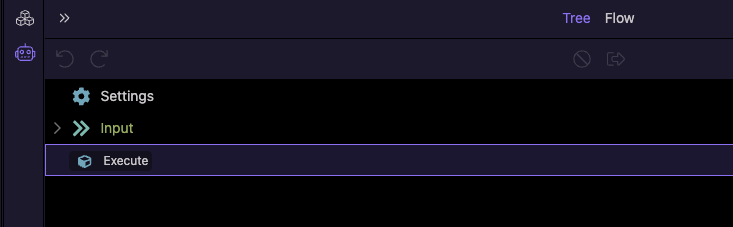
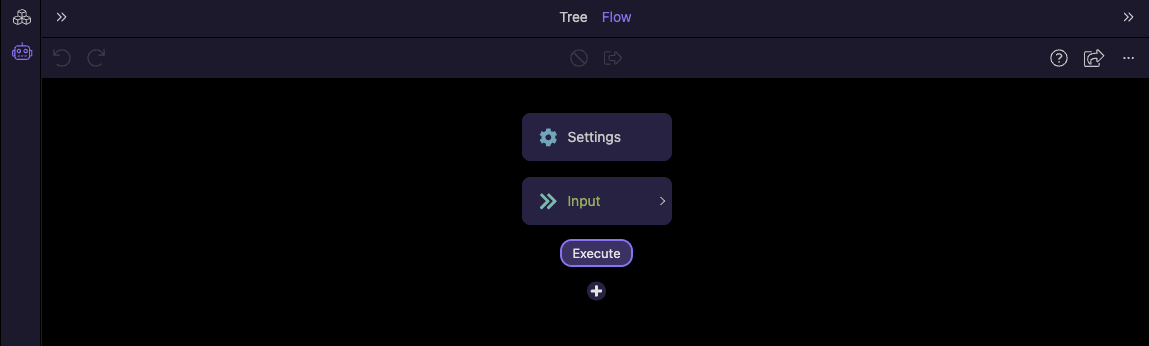
Wappler 8 is underway, and we have started working hard on the beta.
This is not about adding a few isolated features or putting an AI label on the current product. Wappler 8 is about moving the whole platform forward so users can build real full-stack applications faster, with clearer guidance, better production workflows, and more control over the full app lifecycle.
The goal is simple:
Help users go from idea to working, deployable, maintainable apps faster, while keeping the structure, ownership, flexibility, and production control that make Wappler different.
After a short summer break, the focus shifts strongly toward Wappler 8 beta work. If things stay on track, our target is to have the first Wappler 8 beta available in September.
From there, the plan is to grow the beta through gradual weekly releases, with more visible functionality and workflow improvements landing over time.
The final stable Wappler 7 release will remain available as the stable production option throughout the beta period, so users can adopt the new work at their own pace.
This roadmap is being shared as an RFC because we want the community involved while Wappler 8 is taking shape.
The Big Direction
Wappler 8 is about making Wappler feel faster, smarter, more modern, and more complete for real production work.
The main direction includes:
-
faster app creation
-
practical AI features inside real Wappler workflows
-
smarter guided flows for common jobs
-
better design and UI workflows
-
stronger database, backend, and app-logic tooling
-
better support for modern frameworks and architectures
-
easier testing, validation, and repair
-
stronger Git, publishing, and deployment workflows
-
safer environments, dependencies, resources, and secrets handling
-
stronger extensibility and a bigger ecosystem
In short, Wappler 8 is about helping users build, validate, deploy, and maintain real apps with more confidence.
The Beta Plan
We want to be clear about how this next phase will work.
Wappler 8 will not arrive as one giant finished drop. The beta will grow step by step.
The plan is:
-
Wappler 8 beta work becomes the main product focus after the summer break
-
the first beta is targeted for September
-
the beta grows through weekly releases
-
each release should bring visible product progress, workflow improvements, or reliability improvements
-
Wappler 7 remains the stable production choice during the beta period
That means users who want stability can keep building on Wappler 7, while users who want to explore what is next can follow the Wappler 8 beta as it grows.
What To Expect First
The first Wappler 8 beta will not contain everything in this roadmap at once.
The early beta focus is expected to be around a smaller set of visible foundations:
-
a clearer and more modern experience in high-visibility product areas
-
the first practical AI-guided workflows
-
the first direct app-building generators, starting with common app slices such as CRUD or app starters
-
early design-time state workflows
-
visible Database Manager and/or publishing workflow improvements
-
improved onboarding, demos, docs, tours, and first-success guidance
After that, the beta will expand through weekly releases. Some areas will land early, some will mature through the beta, and some are longer-term roadmap directions for 2027 and beyond.
The important point is that Wappler 8 should become useful through visible, usable improvements as the beta grows.
Faster From Idea To Working App
One of the biggest goals for Wappler 8 is reducing the distance between an idea and a usable app foundation.
We want stronger guided workflows for things like:
-
app starters
-
CRUD and data-backed pages
-
database-to-pages generation
-
auth and roles
-
forms and submit flows
-
API and data wiring
-
reusable workflow packs and starter app patterns
The goal is faster first success without taking control away from the user.
Wappler should help users start faster, but still leave them with real project structure, real files, real backend logic, and real deployment control.
Practical AI, Not AI For Show
AI is an important part of Wappler 8, but the direction is very deliberate.
This is not about turning Wappler into a generic AI chat app.
The goal is to use AI where it can make real Wappler workflows faster and easier: planning, generating app slices, wiring data, creating forms, reviewing issues, suggesting fixes, and preparing deployment.
That includes roadmap areas such as:
-
a stronger AI Manager with clearer guided actions
-
AI-assisted app starter creation
-
CRUD generation from data structures and tables
-
guided auth and role setup flows
-
faster data wiring for pages and components
-
form-flow creation and submit logic generation
-
page polish and common UI improvements
-
review, repair, and deployment-readiness guidance tied to real product validation
These AI features are meant to work together with Database Manager, App Connect, design tools, Server Connect workflows, validation feedback, docs, tours, Git, publishing, and deployment tools.
The output should remain editable, understandable, and under the user's control.
That is how Wappler becomes more AI-native while still staying structured, visual, and production-oriented.
Better Design With Real App States
Wappler 8 should also make design work more realistic.
Instead of designing only against static or ideal content, users should be able to work with real app states such as:
-
loading
-
empty
-
populated
-
error
-
anonymous
-
authenticated
-
role-based
-
mobile and desktop variations
This should make it easier to design complete interfaces from the start and avoid surprises later in development.
It is also a very visual area of the roadmap, and one we think can make Wappler feel immediately more modern and practical.
Better UI Flow, Onboarding, And First Success
Wappler 8 is also about improving the everyday product experience.
We want to make Wappler easier to understand, easier to move through, and better suited to long building sessions.
That includes:
-
clearer product area boundaries
-
improved navigation and workflow entry points
-
cleaner and more focused UI surfaces
-
stronger onboarding and first-success flows
-
better demos, tours, docs, and in-product guidance
-
more direct help where users are actually working
The aim is not only to add power, but to make that power easier to discover and use.
More Modern Frontend And Architecture Workflows
We want Wappler to stay relevant as frontend and full-stack workflows evolve.
That means stronger workflow coverage around areas such as:
-
Astro
-
Tailwind CSS
-
component-driven workflows
-
design systems and reusable UI patterns
-
stronger reusable blocks, snippets, and app parts
-
progressive web app workflows
-
static, dynamic, and hybrid site workflows
-
composable and API-first architectures
-
modern Git-based delivery pipelines
The aim is not to chase trends for their own sake.
The aim is to make Wappler a stronger visual platform for the modern stacks and delivery models developers actually want to use.
Stronger Database And Backend Workflows
Database and backend workflows remain a major part of Wappler's strength, and Wappler 8 should push them further.
On the database side, planned roadmap areas include:
-
releasing and expanding the database diagram editor
-
richer schema editing
-
index creation and editing
-
database view creation and editing
-
better database tuning and optimization guidance
-
backup and maintenance flows
-
easier migration handling in publishing and release workflows
On the backend and app-logic side, we want stronger workflows around:
-
Server Connect productivity
-
data-action productivity
-
metadata-driven logic tied to schema and app structure
-
auth, access-control, and security workflows
-
clearer debugging and validation loops
-
API and service integration patterns
This is important because database and backend structure can power better generation, better validation, and more reliable full-stack workflows across the product.
Stronger Testing, Validation, And Repair
Wappler 8 should help users build faster, but also verify their work with more confidence.
That means improving the quality loop around real projects.
Planned directions include:
-
a stronger Problems Panel and broader quality workflow experience
-
better validation loops around generated work
-
smarter repair guidance
-
AI-assisted fix suggestions tied to real validation signals
-
workflow-completion and deployment-readiness checks
-
better visibility into what is working and what still needs attention
This is one of the most important differences between simply generating something and helping users build something they can trust.
Easier Git, Publishing, And Deployment
Shipping matters just as much as building.
Wappler 8 is planned to improve the operational side of app development through:
-
easier Git-based workflows
-
Git Publish as a first-class publishing path
-
clearer Publish Manager target models
-
managed deployment flows such as Dokploy
-
broader provider-friendly deployment workflows
-
safer project-history and release behavior
-
clearer release logs, summaries, and handoff output
The goal is to make Wappler stronger not only at building apps, but also at getting them live and maintaining them cleanly across modern environments.
Safer Environments, Resources, Dependencies, And Secrets
As Wappler grows as a production platform, project configuration needs to become safer and more predictable.
Longer-term roadmap areas include:
-
improved Resource Manager workflows
-
reusable resources where appropriate
-
stronger cloud-provider setup flows
-
better environment-aware configuration
-
safer secrets handling through secure references
-
project-scoped versioned extensions
-
exact dependency pinning per project
-
clearer upgrade and compatibility visibility
This is especially important for agencies, teams, and long-lived production projects.
A Bigger Ecosystem Around Wappler
Another longer-term direction for Wappler 8 and beyond is making the platform more extensible.
That includes:
-
better extension APIs and packaging
-
stronger support for Wappler-built and community-built extensions
-
clearer compatibility and update visibility
-
a new Wappler extension marketplace
-
broader extension hooks across managers, editors, generators, workflows, and reusable UI surfaces
This is not only about adding more extensions. It is about making extensions safer, more discoverable, and more predictable inside real projects.
Looking Into 2027 And Beyond
As the Wappler 8 beta matures, the roadmap naturally expands further.
The broader direction includes:
-
broader framework and component support
-
broader AI-assisted workflow coverage
-
stronger backend and app-logic workflows
-
wider cloud, edge, deployment, and integration coverage
-
richer ecosystems and extension growth
-
stronger collaboration and agency workflows
-
deeper guided app-building flows
The long-term direction is to make Wappler one of the most complete and exciting ways to build real modern web applications visually, with strong full-stack power and strong developer control.
What This Does Not Mean
This roadmap does not mean every item will be available in the first beta.
It also does not mean Wappler is moving away from visual development, real project files, direct backend control, or self-managed deployment.
Wappler 8 is about adding more guided, modern, and AI-assisted workflows while keeping the ownership, flexibility, and production control that existing users depend on.
The beta will grow step by step, and community feedback will help shape the order and quality of what lands.
In Short
Wappler 8 is about making Wappler:
-
faster to build with
-
smarter without becoming vague or uncontrolled
-
more modern across frontend, backend, database, and deployment workflows
-
stronger for real production delivery
-
safer for teams and long-lived projects
-
more extensible as a platform
-
easier to learn, easier to try, and easier to keep moving with
We are excited about this next phase, and we are looking forward to sharing it with the community step by step.
We Want Your Feedback
This post is in the Request For Comments category on purpose.
We would especially like your feedback on:
-
Which beta areas would make the biggest difference in your real projects?
-
Which generators or guided workflows should come first?
-
What would make Wappler 8 feel clearly better than Wappler 7 in daily use?
-
Which deployment, Git, database, or framework workflows are most important to you?
-
What concerns do you have about the beta direction?
As the beta starts to land, your feedback here can help shape the next waves.
That is the direction for the Wappler 8 beta, for 2027, and for the product beyond.